Healthy Chinese Food: 9 Dishes That Aren't Greasy
By Oriental Bite Kitchen Team · Updated 2026-09-01
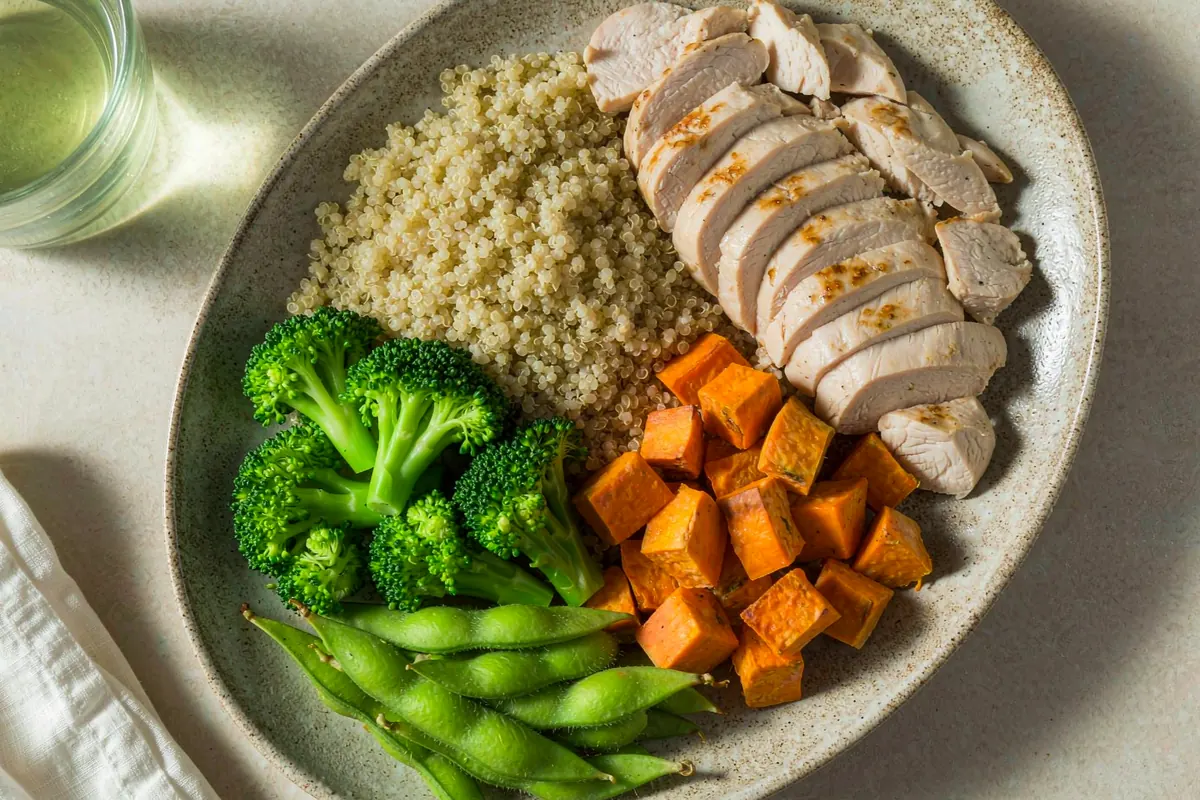
Somewhere in the 1980s, "Chinese food" in the West became shorthand for a cardboard box of fried, sauced, vaguely sweet leftovers that leaves you sleepy and thirsty. That version barely resembles what people actually eat in China, where a normal meal is steamed, boiled or quickly stir-fried — heavy on vegetables, tofu and broth, light on oil. If you've written off the cuisine as a cheat-day only, this list is your correction. Nine dishes that are genuinely light, plus the one switch (sauces) that does most of the work.
Why "Chinese food" got a greasy reputation
The damage was done by adaptation. To please Western palates and survive a long drive from wok to doorstep, restaurants doubled the oil, doubled the sugar, and deep-fried things that were never meant to be fried. General Tso's chicken, crab rangoon, and the gloopy brown sauce on everything — those are American inventions, not Chinese ones. Back home, the everyday plate is closer to medicine than to a binge: balanced, warm, and built to be eaten daily.
Nine lighter picks (the ones you can order clean)
Four of these are on our own menu; the rest are easy to find or copy at home:
Handmade Dumplings (steamed, not fried)
Lean filling wrapped in thin dough, steamed so the only fat is what's inside. A protein-and-carb package that freezes, reheats and travels. Handmade Dumplings →
Shrimp Rice Rolls
Silky rice noodle sheets around whole shrimp, dressed with a light soy dip — barely any oil, all texture. The dim-sum pick that isn't a deep-fried trap. Shrimp Rice Rolls →
Cold Soba Noodles
Buckwheat soba served chilled with a light dip. High in protein for a noodle, low in oil, and refreshing instead of heavy. Cold Soba Noodles →
Miso Soup
Fermented soybean broth with tofu and seaweed — umami-rich, ~30 kcal a bowl, and genuinely good for your gut. The signature "fill up without filling out." Miso Soup →
- Steamed greens (gai lan, bok choy). A plate of leafy greens with a splash of oyster-light sauce beats any salad for iron and fiber.
- Congee. Rice slow-cooked into a thin porridge — the original reset meal, easy to digest, endlessly customizable with egg or veg.
- Steamed fish. A whole fish with ginger and scallion is the centerpiece of a real Southern Chinese dinner — pure protein, almost no oil.
- Tea eggs. Simmered in spiced tea, they're a portable snack with complete protein and zero added sugar.
- Mapo, light-style. Keep the tofu and the tingle, drop the oil bomb — a gentle version is mostly protein and chili, not lard.
The sauce swaps that do the heavy lifting
If you change one thing, change the sauce. Most of a dish's hidden calories live there:
- Fermented over sweet. Miso, light soy and black-vinegar add depth without the sugar load of the brown "house" sauce.
- Sauce on the side. You'll use a third of what they'd brush on, and taste more of the food.
- Vinegar and chili for free flavor. A hit of rice vinegar or chili crisp wakes a plain dish up with near-zero calories.
How to build a cleaner Chinese plate
One protein (steamed or light-fried) + one vegetable + one broth = a complete meal that sits around 500–650 kcal and doesn't sedate you. Skip the fried appetizer, split the rice, and you've got the version of Chinese food people in China actually eat.
What we cook shifts with the season; air-fryer Chinese food and low-carb Chinese food belong to the same set, Seasonal Light Meals for Fat Loss.
Make it lazy: light Chinese food with minimal prep
Healthy Chinese food does not have to mean a wok and a clock. Several of these nine dishes double as no-cook healthy meals or minimal-prep healthy meals you can assemble in ten minutes — cold soba, rice rolls, and miso, or a quick, easy weight-loss meal built from leftovers. If you want lazy weight-loss meals that still taste like home, lean on steamed and cold dishes and keep the sauce on the side. For a full week of easy, healthy meals for busy people, pair these with our light Asian breakfast and low-calorie Chinese dinners.
| Dish | Prep | Cook method | ~Cal |
|---|---|---|---|
| Steamed dumplings | 10 min | Steam | 180 |
| Cold soba & miso | 5 min | No-cook | 320 |
| Rice rolls (cheung fun) | 5 min | Steam / ready | 210 |
| Stir-fried greens | 8 min | Stir-fry | 90 |
| Miso soup | 5 min | No-cook warm | 60 |
Approximate values for guidance only — not medical or nutrition advice.
For a repeating plan, see our lazy meal prep for fat loss.
FAQ
Is Chinese food healthy if you avoid fried dishes?
Mostly yes. Steamed, boiled and stir-fried-light dishes (dumplings, rice rolls, congee, cold noodles, leafy greens) are naturally low in oil. The calories creep in through deep-frying and heavy sauces — skip those two and a Chinese plate is one of the more balanced cuisines you can eat.
What's the least greasy Chinese dish to order?
Steamed items win: shrimp rice rolls, steamed dumplings, and plain congee are barely touched by oil. Among noodle dishes, chilled soba with a light dip beats anything wok-tossed in a lake of oil.
Are the sauces the real problem in Chinese takeout?
Often more than the cooking method. A plain stir-fry can carry 300+ hidden calories once coated in oyster-sweetened or mayo-based sauce. Ask for sauce on the side, or pick fermented-light options like miso and soy-vinegar — they add punch with a fraction of the sugar.
Eat the real version, not the takeout myth
Clean Chinese plates — dumplings, rice rolls, soba and miso, done light.
Explore the Menu