The Kung-Fu Diet: What Martial Artists Actually Eat
By Oriental Bite Kitchen Team · Updated 2026-09-01
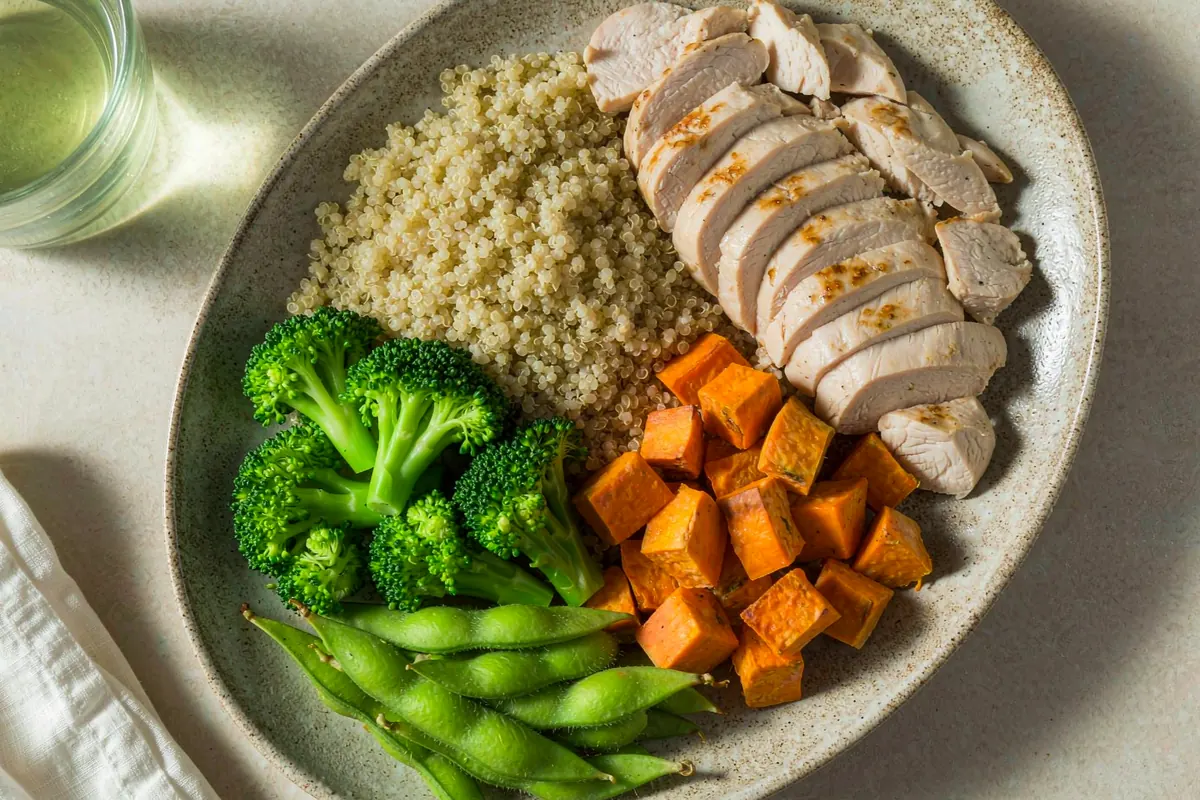
Every martial-arts movie shows monks eating plain rice and drinking water from a gourd. Real Shaolin and Wudang practitioners eat nothing like that: their diet is built around three ideas that have survived a thousand years — balance over restriction, whole foods over supplements, and timing meals to training cycles.
During intensive training Shaolin monks take in 3,000–4,000 kcal a day across three meals and snacks, with protein from tofu, eggs and beans rather than a shaker bottle.
Three principles that make the kung-fu diet work
Three rules show up across every traditional martial-arts kitchen, whether you're in Dengfeng or Wudang Mountain:
Balance (yin-yang on the plate). Every meal pairs warm foods (grains, cooked proteins, ginger, garlic) with cool or neutral elements (raw greens, cucumber, tofu). It is an intuitive way to get macronutrient variety without counting grams.
Qi through whole ingredients. Processed food is nearly absent. Fermentation (miso, soy sauce, pickled veg) does the work preservatives do in packaged food, and herbs like goji, dendrobium and poria appear in soups and teas.
Eat to train, don't train to eat. Meals are timed around practice: a pre-training meal is carb-dense and light on fat, and post-training adds protein for recovery.
A day of eating like a martial artist (with bowls you can actually order)
A training-day menu, translated into something you can eat at your desk:
Early morning
Congee or light porridge with egg and pickled veg. Warm, easy to digest, enough carbs for a forms session.
Mid-morning — Pumpkin Millet Bowl
Roasted pumpkin, millet grains and a sprinkle of seeds. Slow-release carbs for the afternoon block. Pumpkin Millet Bowl →
Lunch — Herbal Tofu Bowl
Silken tofu, time-honored herbs and greens. Plant protein that will not sit heavy before practice. Herbal Tofu Bowl →
Afternoon snack
Tea (oolong or herbal) + a small portion of nuts or edamame.
Dinner — Oriental Martial Arts Bowl
The full build: lean protein, ancient grains, fermented sauce and vegetables. Built for the post-training recovery window. Oriental Martial Arts Bowl →
Before bed — Oriental Fitness Bowl
A smaller portion of easy protein for overnight repair. Oriental Fitness Bowl →
How to borrow the kung-fu diet without the temple
You do not need to train four hours a day to eat like this:
- Make grains the base, not the enemy. Rice, millet, quinoa and buckwheat are fuel. Pair them with protein for a complete meal.
- Use fermentation instead of heavy sauces. Miso, soy sauce, vinegar and pickled veg add depth without a creamy dressing.
- Time your biggest meal after physical effort. Eat more after you move, less before you sit.
Training and recovery meals, kung fu and weight loss and the Shaolin monk diet among them, are mapped out in Eating for Martial Arts: Training & Recovery.
FAQ
Do martial artists really avoid meat?
Not strictly. Shaolin monks are vegetarian by religious rule, but most secular martial artists eat moderate amounts of chicken, fish and eggs. The pattern is less meat, better quality — not no meat.
Can I stay light on a kung-fu style diet?
Yes. The portions are naturally filling without being huge, and the absence of processed food means fewer empty calories. Combine it with regular movement and the fat loss follows.
What's the easiest way to start?
Swap one Western lunch a week for a grain-and-protein bowl with a fermented topping. That one change brings in balance, whole ingredients and better timing at once.
Eat like a warrior — we already cooked it
Kung-fu inspired bowls, made fresh and ready when you are.
Explore the Menu