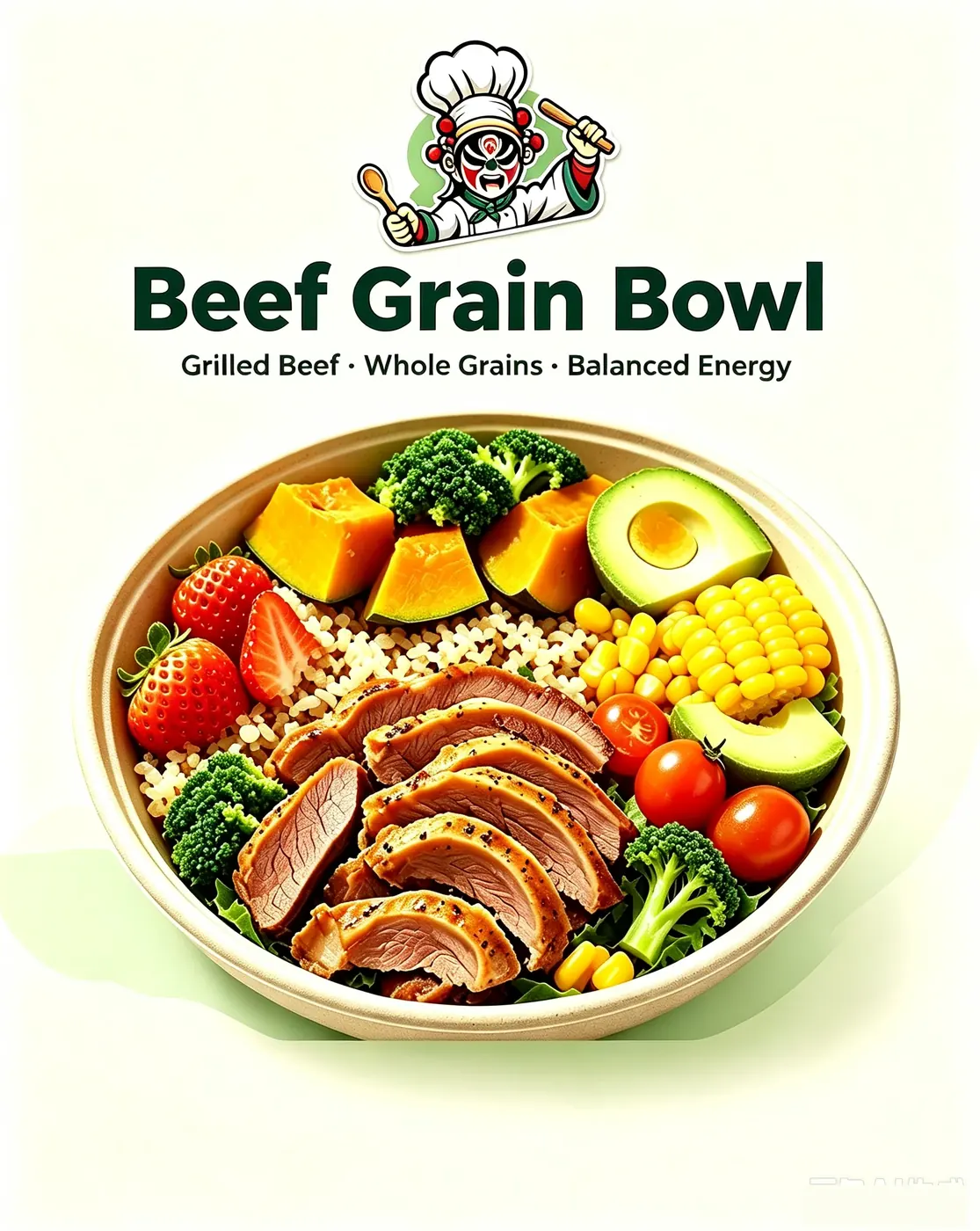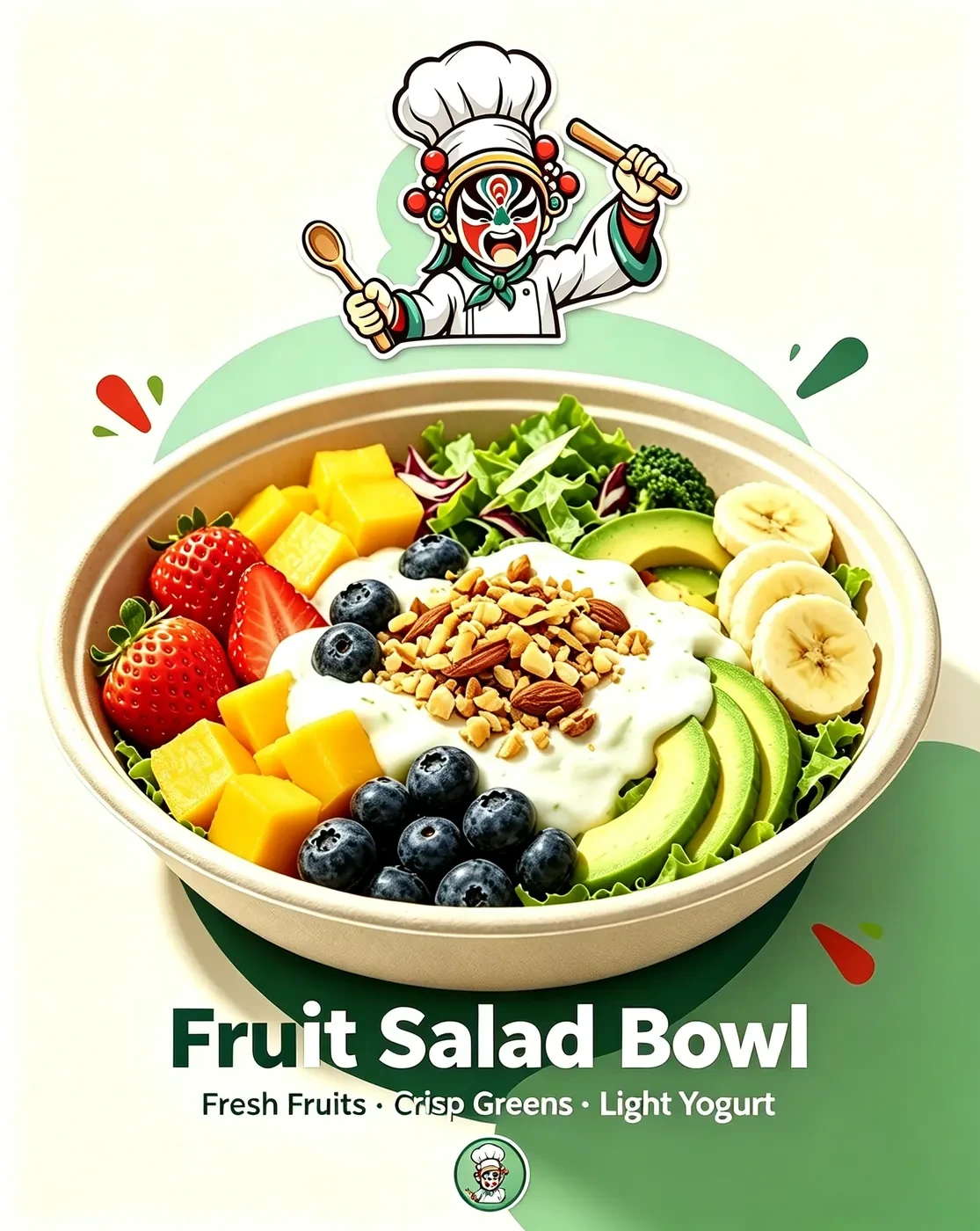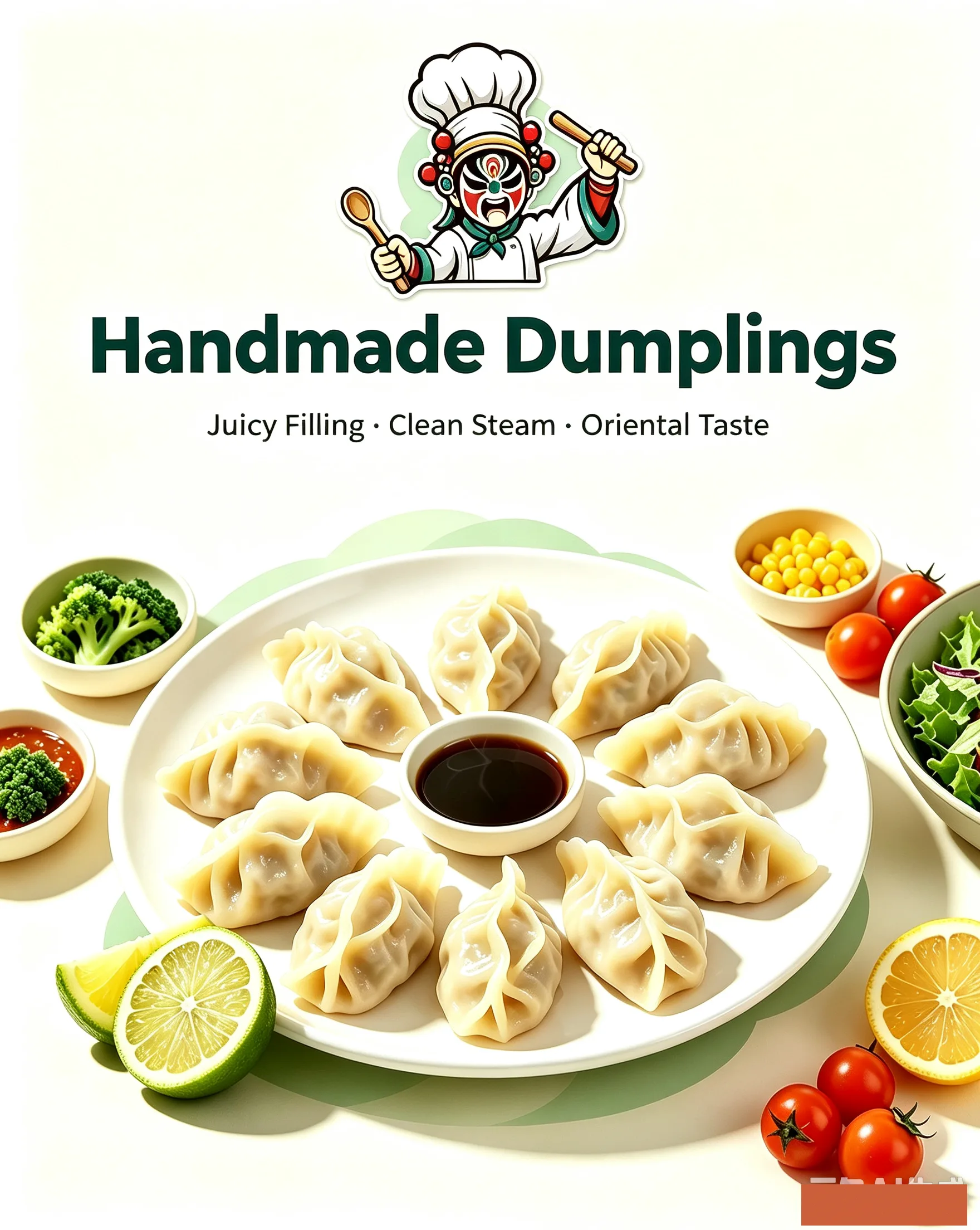
A light meal is only as good as the rules behind it. Our standards cover calories and macros, ingredient grading, and how we keep sodium and oil in check — the same rules applied to every bowl, wrap and drink we make.
Every dish prints its calories, protein, carbs and fat. Browse the menu and you can plan a day without a calculator.
We grade herbs, proteins and produce before they enter a bowl. Our glossary names every ingredient and its traditional food role.
Salt and oil are capped per portion and our sauces are made low-sugar, low-oil in-house. Taste comes from spice and aromatics, not from loading fat.
Standards only matter if they reach the plate. In the kitchen that means every cook works from the same spec sheet, every scale is the same scale, and every new seasonal dish is tasted against its own macros before it earns a place on the menu. The aim is boring in the best sense: the bowl you get on a busy Tuesday is the same bowl you loved on Saturday. Traditional Chinese food therapy asks that ingredients be honest and balanced, and our kung fu philosophy of food as training fuel is what tells us the right portion for the right goal — recovery, focus, or a calm evening meal. We would rather print a smaller, true number than a flattering one, because trust is the only seasoning that cannot be faked. For example, a salmon quinoa bowl is built to about 520 kcal with 38 g of protein, while a herbal tofu bowl lands near 360 kcal and 24 g of protein — both printed, both verified, both adjustable when you swap the grain. If you want the figures behind a specific dish, every product page carries its full nutrition panel and ingredient line, and our glossary explains what each oriental ingredient is doing in the bowl. Good standards are invisible when they work, and that is exactly the point.
See the standards in action on the dishes page →
Most single bowls sit between 320 and 560 kcal, depending on the protein. Drinks such as our oolong kombucha are around 35 kcal. Each product page states the exact figure.
Protein-led builds range from roughly 24 g (plant-based tofu) to 42 g (grilled chicken wrap) and up to 38 g for salmon. The number is printed on every card.
A light meal should support daily eating, not overload salt. We cap sodium per portion and season with aromatics and spice so flavour does not depend on a heavy hand with the salt.
We weigh and verify portions in-house against the published macros. This is a kitchen discipline we apply to every build, not a one-off certification.
Yes. Every item on the menu carries its calories and macros, and each product page lists ingredients and a short traditional-food note.