Sichuan Pepper, Oolong & Miso: Umami Boosters That Cut Calories
By Oriental Bite Kitchen Team · Updated 2026-09-01
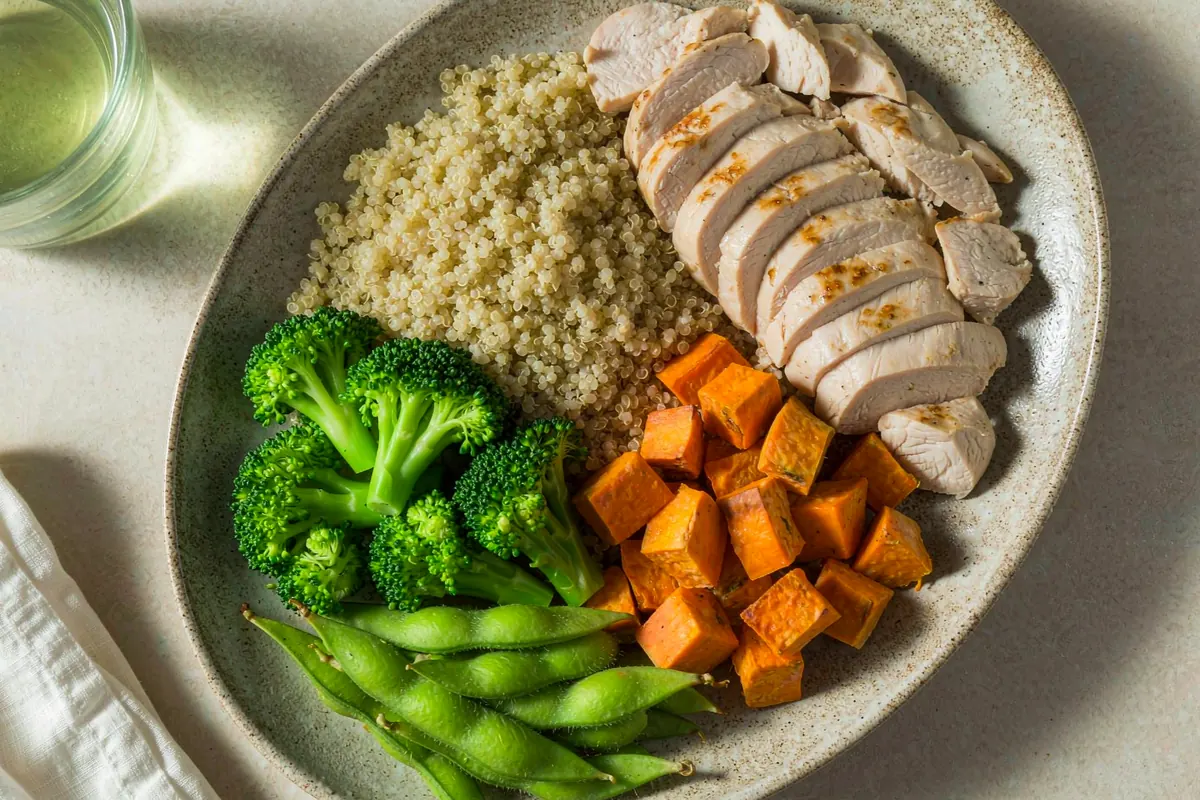
Most "diet food" fails on the same day it gets boring. You cut salt, sugar and oil, and by Wednesday the steamed chicken tastes like cardboard — so you order fries. The fix isn't willpower, it's umami. Umami is the savory fifth taste (think miso, mushrooms, aged soy) that makes food feel complete with less salt, sugar and fat. In the guochao kitchen we lean on three Eastern boosters — Sichuan pepper, oolong and fermented sauces — to keep meals light but never bland. Here's how they cut calories without cutting flavor.
Why umami is the diet hack nobody talks about
- Umami = satisfaction, not calories. Glutamate — the molecule behind umami — signals "protein and richness" to the brain, so a little savory depth makes a low-cal meal feel like a real one.
- It lets you drop the salt and sugar. A fermented sauce or a pinch of mushroom powder carries enough depth that you don't need a sugary glaze or a salt bomb to make it taste like food.
- It survives reheating. Unlike fresh herbs that wilt in a meal-prep container, umami builds (dried, fermented, toasted) taste better on day three — exactly when most prep fails.
Three boosters we cook with (plus a drink)
All four are on our menu — order the flavor, not just the recipe:
Sichuan Pepper Sauce
The tingly, numbing pepper does something clever: it distracts the palate so a little salt goes a long way, and it makes a light dish feel intense. We use it on proteins and cold noodles. Sichuan Pepper Sauce →
Mushroom Umami Sauce
Dried shiitake and mushroom extract are pure natural glutamate — the clean umami that replaces cream, MSG and butter in a pan sauce. Low cal, big flavor. Mushroom Umami Sauce →
Five-Spice Soy Sauce
Aged soy plus star anise, cinnamon and clove. Fermentation gives the savory base; the spices do the rest. A few drops lift a bowl without the sodium of a heavy pour. Five-Spice Soy Sauce →
Oolong Kombucha
Not a sauce, but the same idea in a glass: toasted oolong fermented into a dry, fizzy drink that scratches the soda itch with zero sugar. The umami of tea, the fun of fizz. Oolong Kombucha →
How to use them without adding calories
- Dip, don't drown. Sauce on the side beats a pre-sauced container — you use a quarter and taste all of it.
- Toast and bloom. Warm Sichuan pepper or five-spice in a dry pan for 20 seconds before adding; the aroma multiplies, so you need less.
- Mushroom powder as a salt swap. A teaspoon of dried mushroom powder in broth or grains adds savory depth with almost no sodium.
- Swap the soda. Oolong kombucha instead of cola saves roughly 140 kcal a glass and kills the 3pm sugar crash.
Where umami comes from
Umami is the taste of glutamate and nucleotides, and the Chinese cupboard is unusually full of it. Dried shiitake, kombu, dried scallop, fermented bean paste, soy sauce, fish sauce, aged vinegar and parmesan all carry it in concentrated form. The point of using them is that a teaspoon does the work a tablespoon of salt would, without the salt.
Three ways to add it
- Mushroom soaking water. The liquid from rehydrating dried shiitake is a free stock. Strain it and use it in place of water.
- Miso or douchi at the end. Stirred in off the heat, both keep their aroma and season a whole dish with a teaspoon.
- A piece of kombu. Left in cold water for twenty minutes, then gently heated, it makes a clean base for anything.
What we cook shifts with the season; low-calorie lunches and air-fryer Chinese food belong to the same set, Seasonal Light Meals for Fat Loss.
FAQ
Is umami healthy?
Yes. Umami is just the taste of glutamate, a normal amino acid found in protein foods like mushrooms, aged soy, tomatoes and cheese. It's healthy because it lets you cut salt, sugar and fat while keeping food satisfying — not because it is a magic nutrient.
Does Sichuan pepper help with lighter living?
Not directly — it won't fuel. Its role is flavor: the numbing tingle makes a lightly-salted dish feel intense, so you use less salt and sauce, which quietly lowers calories. Think of it as a portion-control trick, not a metabolism booster.
What's a low-calorie umami swap for regular soy sauce?
Aged or diluted soy with five-spice, or a mushroom-based sauce. Both deliver the savory hit of full-sodium soy at a fraction of the sodium, so you flavor more and pour less.
Is MSG the same as umami?
It is one source of it. Umami is the taste; MSG is a purified form of one compound that produces it. Dried mushroom, kombu and fermented pastes deliver the same taste in a less concentrated package.
Does soy sauce count as an umami booster?
Yes, and it is the most common one. Naturally brewed soy sauce is high in glutamate, which is why a small amount seasons a dish more deeply than salt alone.