Post-Workout Meals for Muscle & Fat Loss
By Oriental Bite Kitchen Team · Updated 2026-09-01
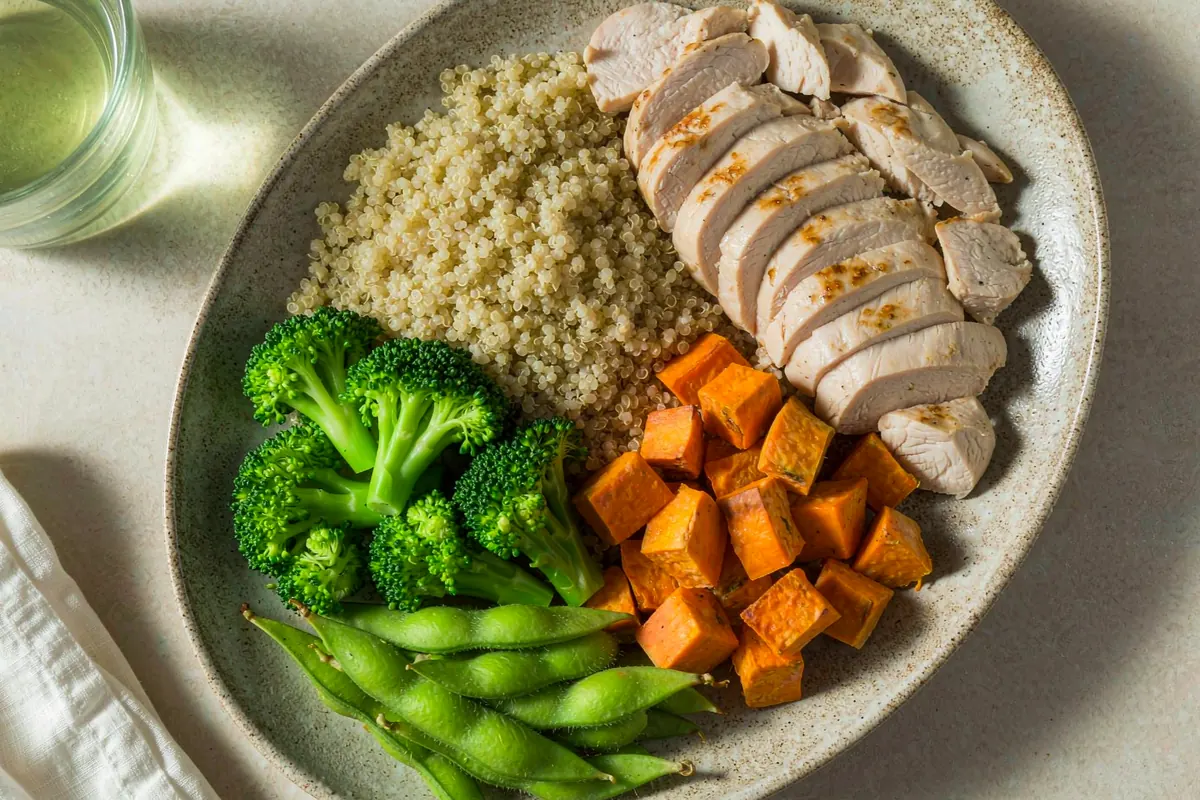
You finished the set, you're sweaty, and now the internet is yelling at you about a 30-minute anabolic window. Relax. The post-workout meal matters — but not in the panic way the supplement ads suggest. Done right, it's the single meal that does double duty: repairs the muscle you just broke down and keeps you full enough to avoid the post-gym binge that quietly erases the whole session. Here's what your body actually wants, how strict the timing really is, and five recovery meals you can order instead of blending another chalky shake.
What your body wants after training
Stripped of the marketing, recovery food has three jobs:
- Protein to repair. Resistance or hard cardio creates tiny muscle tears; you need roughly 20–40g of protein to start rebuilding, and leucine-rich sources (chicken, fish, egg, soy) trigger it fastest.
- Carbs to refill. Training drains muscle glycogen. A moderate hit of carbs reopens the recovery window and, counterintuitively, helps fat loss by keeping cortisol down and hunger controlled.
- A little salt and water. You lost both in sweat. Sodium isn't the enemy post-workout — it helps you rehydrate and holds on to the water you drink.
That's the whole formula. Fat isn't forbidden, but keep it modest right after training because it slows digestion when you want nutrients in fast.
The recovery window — how strict is it really?
The famous "anabolic window" came from studies on athletes training fasted, twice a day. For a normal person who ate lunch before the 6 p.m. lift, the window is closer to 1–2 hours, and even that's forgiving. Translation: you don't need to chug a shake in the locker room. Eat a real meal within a couple of hours and you capture nearly all the benefit. The bigger mistake is skipping it entirely because you "ran out of time" — that's when recovery and results stall.
Five post-workout meals you can actually order
We built our recovery lineup around that protein-plus-carb-plus-salt formula, with portions that fill you without sedating you:
Grilled Chicken Power Wrap
Grilled chicken, whole-grain wrap, crunchy veg and a light yogurt sauce. ~35g protein in a handheld format — ideal when you're heading straight from the gym to a meeting. Grilled Chicken Power Wrap →
Salmon Quinoa Bowl
Omega-3 rich salmon over quinoa with greens. The quinoa refills glycogen, the salmon delivers complete protein and anti-inflammatory fats for joints. Salmon Quinoa Bowl →
Shrimp Avocado Wrap
Lean shrimp plus avocado for smart fat and a soft-carb hit. Lighter than the chicken wrap, great for evening sessions when you don't want to sleep heavy. Shrimp Avocado Wrap →
Chicken Quinoa Energy Bowl
The all-rounder: chicken, quinoa, roasted veg and a fermented drizzle. Balanced macros in one plate, built for the window when your body is hungriest for nutrients. Chicken Quinoa Energy Bowl →
Timing for fat loss vs muscle gain
- Leaning out: keep the post-workout meal to a clear portion — protein first, then just enough carb to recover. The meal's real job is stopping the 9 p.m. fridge raid, which saves more calories than any "energizing" ingredient.
- Building up: this is the one meal you can push carbs a bit higher without guilt — your muscles are actively pulling them in. Add a second scoop of grains or a piece of fruit.
- Both: consistency beats perfection. Same recovery meal, five days a week, outperforms one heroic post-leg-day feast.
This is part of the eating that surrounds training — post-workout Chinese food and iron-rich meals are collected in Eating for Martial Arts: Training & Recovery.
FAQ
How soon after a workout should I eat?
For most people, anywhere in the 1–2 hours after training works. The old "30-minute anabolic window" mattered mostly for athletes training twice a day on empty; if you ate a normal meal beforehand, your body is still primed well past the hour mark.
Can I lose fat and build muscle eating the same post-workout meal?
Often yes. A meal with 25–40g protein and moderate carbs repairs muscle and blunts hunger, which keeps you in a mild calorie deficit without feeling starved. The trick is portion control, not skipping the carbs — your muscles need them to recover.
Is a wrap or a bowl better after training?
Neither is inherently better — it's the contents. A wrap is just a portable, portion-controlled carrier for protein plus veg. A bowl gives you more room for grains and feels more filling. Pick the one you'll actually finish and reorder.
Skip the shake — order the recovery
Real-food post-workout meals, balanced for muscle and waistline.
Explore the Menu